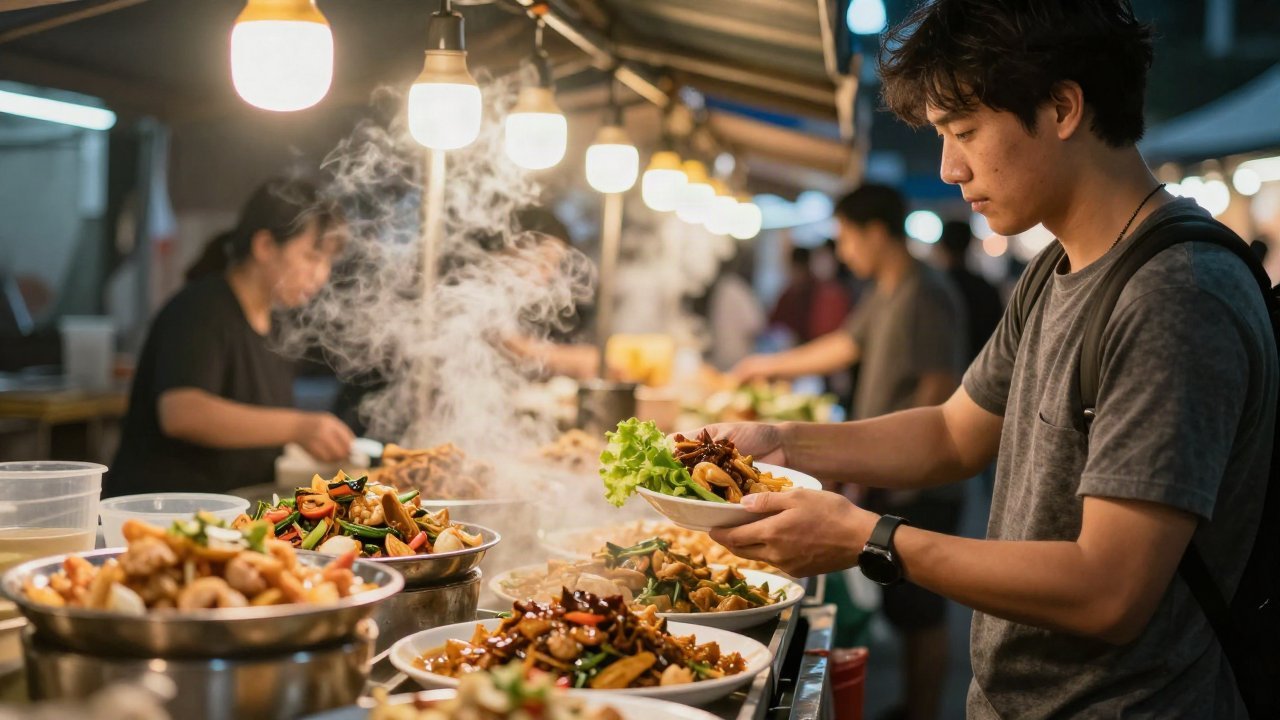
Food is one of the best parts of any trip, and it is also one of the easiest places for a travel budget to quietly fall apart. Three sit-down meals a day near the main sights add up fast. The good news is that eating well on the road does not mean eating badly or skipping the local specialties. With a little planning, you can eat like a local, try more dishes, and still keep plenty of money for the rest of your trip.
Make Lunch Your Big Meal
In many cities, especially across Europe, restaurants offer a fixed lunch menu on weekdays: a starter, a main and sometimes a drink or dessert, served for much less than the same dishes at dinner. In Spain look for the menú del día, in France the formule or plat du jour, and in Italy a pranzo or set lunch. Eat your main meal at midday, then keep dinner light with something from a bakery, market or street stall.
The same idea works in Asia, where office-worker lunch sets in places like Tokyo and Hong Kong are often excellent value. If you are heading to Japan, our Tokyo on a budget guide covers convenience stores, set meals and other easy savings.
Walk Two Blocks Away From the Big Sights
Restaurants right next to famous landmarks know they will get customers no matter what. Prices are higher and quality is often lower. A simple rule: walk at least two or three streets away from the main square or attraction before you sit down. Signs that you have found a good local spot include:
- A short menu written only in the local language, or one that changes daily
- Locals eating there, especially at lunchtime on a weekday
- No one standing outside trying to wave you in
- No glossy photo menus in five languages
Shop the Markets and Supermarkets
Food markets are one of the cheapest and most fun ways to eat while traveling. You can build a picnic of fresh bread, cheese, fruit and local snacks for a fraction of a restaurant bill, then eat it in a park or by the water. Many markets also have small counters that cook simple, fresh dishes at fair prices.
Supermarkets are worth a visit too. Breakfast items, bottled water, snacks for long travel days and ready-made salads are almost always cheaper there than at cafés or kiosks. In many countries, supermarkets sell good prepared food that locals buy for lunch.
Choose a Room With a Kitchen or Free Breakfast
Where you stay has a big effect on what you spend on food. An apartment, hostel or guesthouse with a shared kitchen lets you cook a few simple meals, make coffee in the morning and pack lunches for day trips. Even a room with just a small fridge helps you keep drinks and snacks on hand.
Hotels that include breakfast can also save you a meal each day. When you compare options, look at the total value, not just the nightly rate. You can search and compare stays with our hotel finder, and our guide on how to find cheap hotels has more tips for choosing well.
Eat Street Food (Sensibly)
In much of Asia, Latin America and the Middle East, street food is not just cheap, it is often the best food in town. To eat it with confidence:
- Pick busy stalls with a steady line of local customers, since high turnover means fresher food
- Choose food that is cooked hot in front of you
- Carry hand sanitizer and small change
- Follow local advice about tap water and ice
Watch the Hidden Extras
Some of the biggest food costs are not the meals themselves. Bottled drinks, table charges, bread you did not order and service fees can all add up. A few habits help:
- Carry a refillable water bottle wherever tap water is safe to drink
- Ask whether bread or snacks on the table are free before you eat them
- Check the menu or bill for cover or service charges so you do not tip twice
- Have coffee standing at the counter where that is the local custom, as it can cost less than table service
- Learn the tipping norms for your destination before you go
Pack Smart Snacks and Gear
Hunger on a long travel day is how you end up paying airport and train-station prices. Pack a few snacks from home or a supermarket before you leave, and keep a reusable bottle, a small cutlery set and a foldable container in your bag for picnics and leftovers. You can find useful items in our travel gear shop, and our carry-on packing list shows how to fit it all in a small bag.
Plan a Few Splurges
Saving on everyday meals is what makes room for the special ones. Pick one or two meals per trip that really matter to you, such as a famous local dish, a waterfront dinner or a food tour, and budget for them on purpose. Everything else can be markets, lunch menus and street stalls. That way you come home with great food memories and without a surprise on your card statement.
Ready to plan your next trip? Browse ideas on our destinations page and start comparing cheap flights.
Prices, schedules and availability change often and come from third-party providers, so confirm details before you book. Some links on this site are affiliate links; see our affiliate disclosure.
More travel guides
Explore
- Shopping Details — The shopping and deals page.
- Travel Places — Destination details and guides.
2 thoughts on “How to Eat Cheap While Traveling (Without Missing the Good Stuff)”