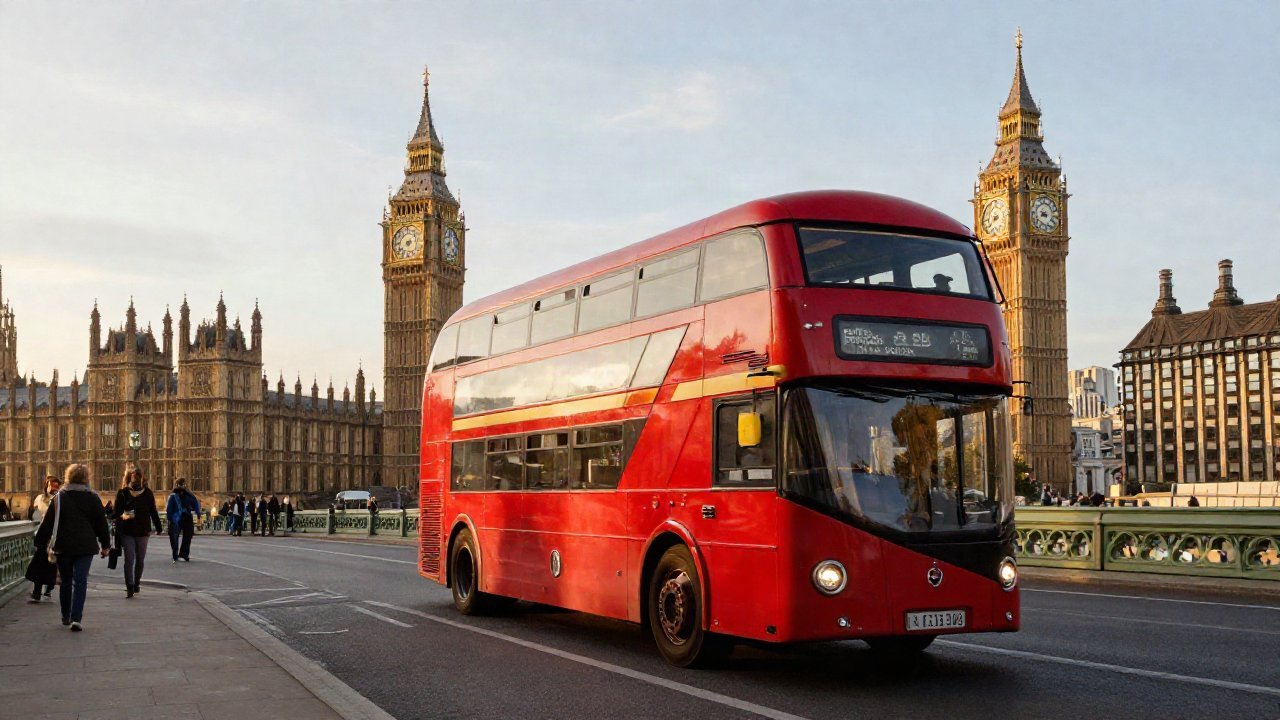
London has a reputation as one of the world’s most expensive cities, and the hotel bills alone can make a budget traveler nervous. The good news is that some of the city’s very best experiences cost nothing at all, and a little planning on transport, food and timing goes a long way. Here’s how to see London properly without draining your travel fund.
Sort Your Entry Paperwork Early
Before anything else, check the entry rules for your passport. The UK now runs an Electronic Travel Authorisation (ETA) scheme, and travelers from visa-free countries, including US citizens, need an approved ETA before boarding a flight to the UK. Apply only through the official GOV.UK website or the official UK ETA app; third-party sites often charge extra for the same form. Applications are usually decided within a few days, so don’t leave it to the night before you fly.
Find a Cheaper Flight and Bed
London is served by several airports, and the cheapest fare isn’t always into Heathrow. Compare all of them, then factor in the cost and time of the train into the city before you decide. Searching with flexible dates helps too, and you can compare fares on our flight search.
For accommodation, the biggest savings usually come from staying a little further out. Neighborhoods along a direct Tube or Overground line, such as parts of east, south or north London, often cost noticeably less than Zone 1 while keeping you a short ride from the sights. Weekday stays are frequently cheaper than weekends in business-heavy areas, too. Browse options on our hotel listings.
Ride the Tube the Smart Way
Skip paper tickets entirely. On the Tube, buses, DLR, Overground and most trains within London, you can simply tap in with a contactless bank card, phone or watch, or with an Oyster card. Paper single tickets cost far more than pay-as-you-go fares.
- Fare capping works for you. Transport for London caps how much you pay in a day, and contactless cards also cap across a Monday-to-Sunday week. Once you hit the cap, the rest of your rides that day or week are effectively free.
- Use the same card or device every time. Capping only works if you tap in and out with one card or one phone. Switching between your phone and the physical card can mean you’re charged twice.
- Always tap out on the Tube and rail. Forgetting can trigger a maximum fare.
- Take the bus. Buses use a flat fare with no tapping out, and the “Hopper” rule lets you take unlimited buses and trams within an hour of your first tap.
- Walk between central stops. Many central stations are only a few minutes apart on foot, and walking is how you discover the city anyway.
Check with your bank about foreign transaction fees before relying on a contactless card, as those can quietly add up over a week of tapping.
Spend Your Days at Free Museums
This is London’s great budget secret: many of its world-class national museums and galleries have free general admission. Highlights include:
- The British Museum
- The National Gallery and the National Portrait Gallery on Trafalgar Square
- Tate Modern and Tate Britain
- The Natural History Museum, the Science Museum and the V&A in South Kensington
- The Imperial War Museum and the Museum of London Docklands
Special temporary exhibitions often charge a fee, and some popular museums recommend or require booking a free timed ticket in advance, so check each website before you go. Donations are welcome but optional.
Free Sights and Experiences
- Changing of the Guard at Buckingham Palace is free to watch. It doesn’t run every day, so check the schedule and arrive early for a good view.
- The parks. Hyde Park, St James’s Park, Regent’s Park and Greenwich Park are all free, and Primrose Hill and Greenwich offer fantastic skyline views.
- The South Bank walk. Stroll the Thames from Westminster past the London Eye to Tower Bridge for the classic postcard views without paying for a single ticket.
- Markets. Browsing Borough, Camden, Portobello Road and Columbia Road flower market costs nothing.
- Free viewpoints. A few skyscrapers offer free public viewing gardens or galleries, usually bookable in advance.
Eat Well for Less
Sit-down meals in central London add up fast. Instead, lean on supermarket meal deals for lunch, which bundle a sandwich, snack and drink, and grab picnic supplies for the parks. Street food markets give you great variety at more reasonable prices than restaurants, and neighborhoods like Brick Lane, Tooting and Southall are known for excellent, affordable curries. Many pubs offer good-value set lunches. Tap water is free and safe, so carry a refillable bottle.
Pack and Time Your Trip Right
London weather changes quickly, so a compact umbrella and a light waterproof layer are essential in any season. Check the London weather forecast before you pack, and remember the UK uses Type G plugs, so bring a travel adapter. Our carry-on packing list can help you avoid checked bag fees.
For timing, late autumn, winter (outside the Christmas rush) and early spring usually bring lower hotel rates and smaller crowds than summer. See our shoulder season travel guide for more on picking the right dates, and sort out an eSIM or roaming plan before you land to avoid surprise data charges.
The Bottom Line
London rewards travelers who plan. Get your ETA sorted, stay along a good transit line, tap in with one card and let fare capping do the work, then fill your days with free museums, parks and riverside walks. You’ll come home with the full London experience and far more of your budget intact.
Prices, schedules and availability change often and come from third-party providers, so confirm details before you book. Some links on this site are affiliate links; see our affiliate disclosure.