Barcelona has a reputation as a pricey European city, but much of what makes it special costs very little: the beaches, the Gothic Quarter’s lanes, Gaudí façades you can admire from the sidewalk, and long evenings over small plates. With a bit of planning around transit, museum hours and where you eat, you can enjoy the Catalan capital without blowing your budget.
When to Go
Summer brings beach weather, but also the biggest crowds and the highest hotel rates. Late spring (April to early June) and early fall (late September through October) usually offer warm days, swimmable water into the fall, and better room availability. Winter is mild and the cheapest time to visit, though some beach bars close. Check the Barcelona weather forecast before you pack, and read our shoulder season travel guide for more on timing your trip.
Where to Stay for Less
The Gothic Quarter and the area right around La Rambla are convenient but often charge a premium for small rooms. For better value, look at:
- Gràcia: a village-like neighborhood with leafy squares, local bars and good metro links.
- Sant Antoni and Poble-sec: walkable to the center and Montjuïc, with plenty of affordable tapas spots.
- Eixample (outer streets): wide avenues and modernist buildings, with more mid-range hotels and apartments.
- Poblenou: quieter, close to less crowded beaches, and well served by metro.
Barcelona adds a tourist tax per person per night on top of your room rate, so check whether a listed price includes it. Compare options on our hotel search, and see how to find cheap hotels for booking strategies.
Getting Around on Public Transit
Barcelona’s metro, buses and trams are efficient, and most sights are within a short ride or a pleasant walk. The transit operator TMB offers several ticket types, and picking the right one saves money:
- T-casual: 10 journeys for one person, good value if you’ll take a couple of rides a day. It is not valid at the airport metro stations.
- Hola Barcelona Travel Card: unlimited travel for a set number of days (up to five), including metro trips to and from the airport. Best if you plan to ride a lot.
- T-familiar and T-grup: shared multi-person cards, handy for families or groups traveling together. Neither covers the airport metro stations.
If you’re mostly walking, a T-casual is usually enough. Note that a regular metro ticket won’t get you through the airport station gates, so plan your arrival ride separately. Flying in? Search fares on our flight search.
Free and Low-Cost Sights
Many of Barcelona’s museums offer free entry at set times, most often on the first Sunday of the month and on Sunday afternoons. In recent years that has included the Picasso Museum, the Barcelona History Museum (MUHBA), the National Art Museum of Catalonia (MNAC), Montjuïc Castle and the Design Museum. Some, like the Picasso Museum and Palau Güell, require you to reserve a free time slot online in advance, and those slots go fast. Schedules change, so always confirm on each museum’s official site before you go.
Plenty of the city is free any day:
- Stroll the Gothic Quarter and El Born, including the outside of the Cathedral and Santa Maria del Mar.
- Admire Casa Batlló and Casa Milà from Passeig de Gràcia, and the Sagrada Família’s façades from the street.
- Walk up Montjuïc for city views, gardens and the Magic Fountain area.
- Hike to the Bunkers del Carmel for one of the best sunset panoramas in the city.
- Spend an afternoon at Barceloneta or the quieter beaches farther north at Bogatell and Mar Bella.
For paid icons like the Sagrada Família and Park Güell’s monumental zone, book timed tickets online directly with the official sites to avoid reseller markups and sold-out days.
Eating Well on a Budget
Food is where Barcelona can be surprisingly affordable if you eat like locals:
- Menú del día: many restaurants offer a fixed-price weekday lunch with a starter, main, dessert and a drink. It’s often the best value meal of the day.
- Neighborhood markets: skip the busiest stalls at La Boqueria and try Mercat de Santa Caterina, Sant Antoni or Mercat de l’Abaceria in Gràcia for fresher deals.
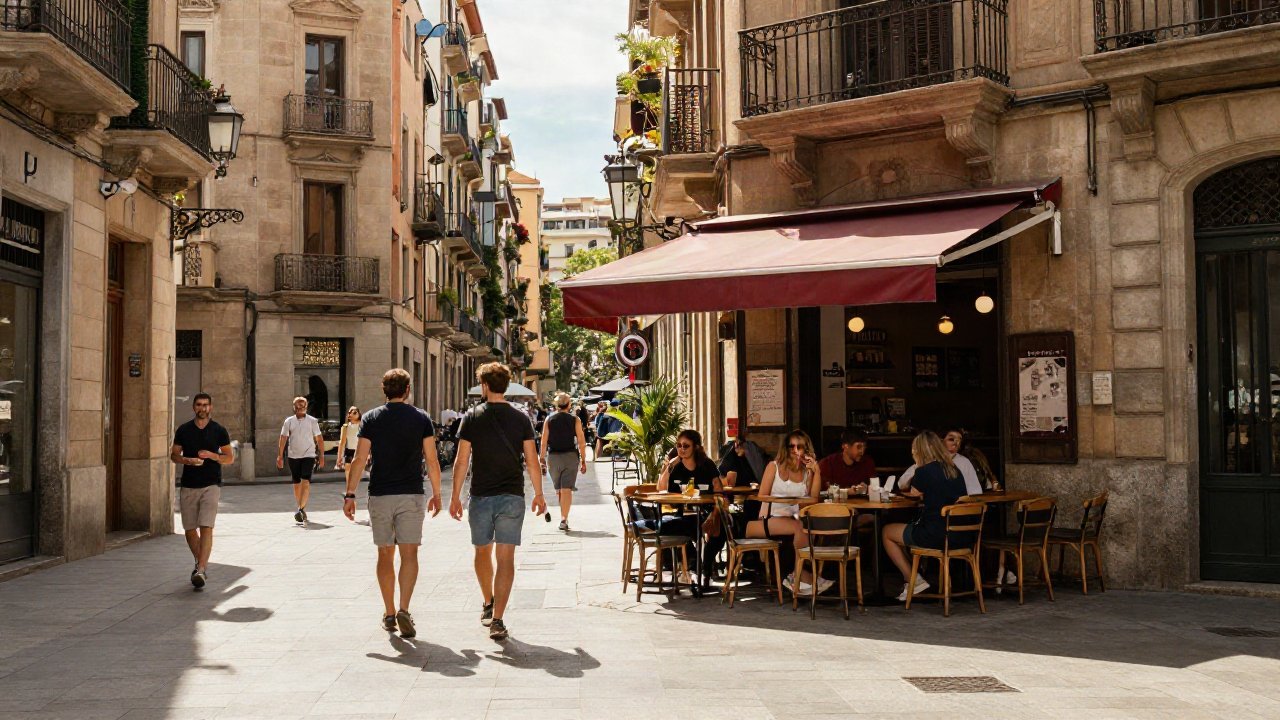
- Tapas strategy: avoid restaurants on La Rambla with picture menus. Walk a few blocks into Poble-sec’s Carrer de Blai or Gràcia for pintxos and small plates at local prices.
- Supermarket picnics: bread, cheese, jamón and fruit from a supermarket make a great beach or park lunch.
Dinner in Spain starts late, often after 9 pm. Eating your main meal at lunch with the menú del día is both cheaper and more local.
Money and Safety Tips
- Pickpocketing is common in crowded areas like La Rambla, the metro and beaches. Use a zipped bag or anti-theft daypack and keep your phone off restaurant tables.
- When paying by card, choose to be charged in euros rather than your home currency to avoid poor conversion rates.
- Tap water is safe to drink, so bring a refillable bottle and fill up at public fountains.
- Day trips to Montserrat, Sitges or Girona by regional train are usually much cheaper than organized tours.
Packing light helps too: our carry-on packing list shows how to fit everything in one bag and skip checked bag fees.
The Bottom Line
Barcelona rewards travelers who stay just outside the center, ride smart with the right transit card, time their museum visits for free hours, and eat lunch like a local. Do that, and you’ll have more of your budget left for one more evening of tapas by the sea.
Prices, schedules and availability change often and come from third-party providers, so confirm details before you book. Some links on this site are affiliate links; see our affiliate disclosure.
More travel guides
Explore
- Shopping Details — The shopping and deals page.
- Travel Places — Destination details and guides.