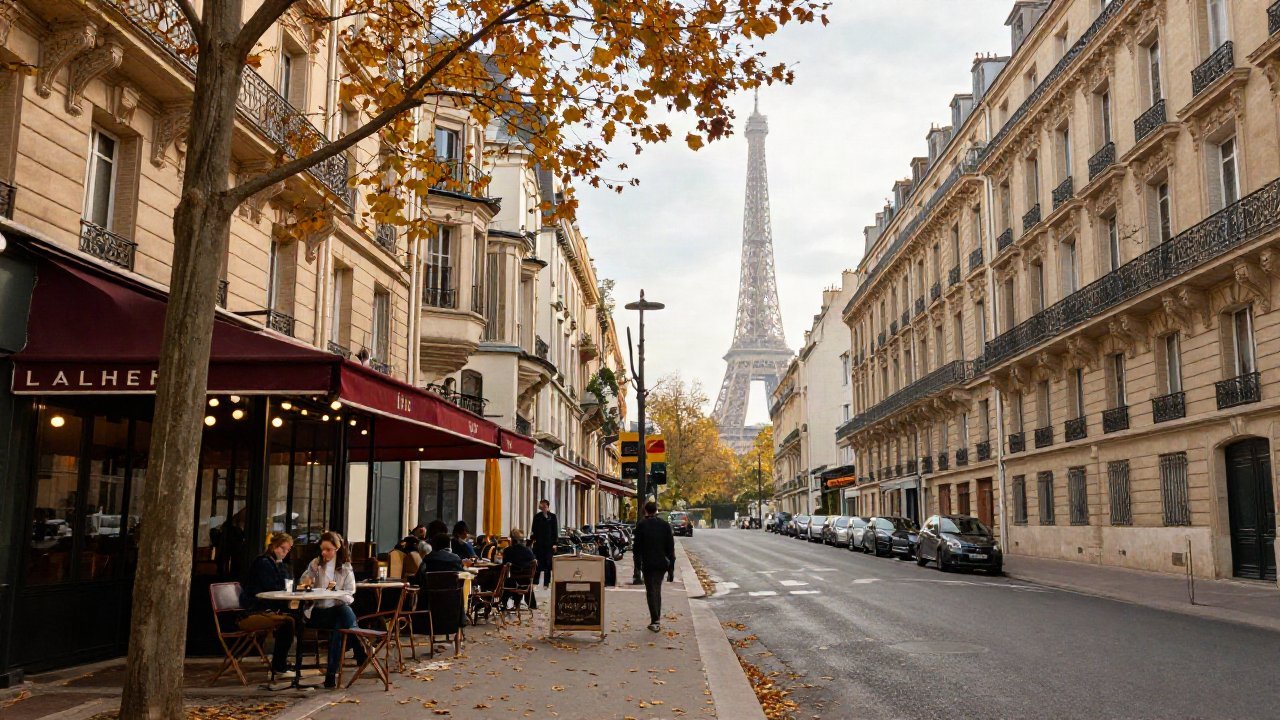
Paris has a reputation for being expensive, and it can be. But the city also rewards travelers who plan a little: free museum days, a walkable center, picnic-ready parks and bakeries on every corner. This guide covers how to see Paris well without letting the budget run away from you.
When to go
Summer and the December holidays are the busiest and priciest times to visit. Late fall (November) and late winter (February and March) are usually calmer, and hotel rates tend to soften. Spring and early fall bring nicer weather with smaller crowds than July and August. Our shoulder season travel guide explains why these in-between months are often the sweet spot, and you can check the forecast for your dates on the Paris weather page.
Where to stay for less
You don’t need a room next to the Eiffel Tower. Paris is compact and the metro is excellent, so staying a little farther out often saves money without adding much travel time.
- Look east and north: neighborhoods in the 10th, 11th, 12th, 19th and 20th arrondissements generally cost less than the Left Bank or the area around the Champs-Élysées.
- Stay near a metro or RER line: a hotel a few minutes from a station beats a “central” one that needs a long walk.
- Compare smaller rooms: Paris hotel rooms run small, so a compact double is normal, and it’s often the best value.
Search and compare options on our hotel listings, and book early or watch for flexible-rate deals.
Getting around
Walking is the best free transport in Paris. Many of the big sights, from Notre-Dame to the Louvre to the Marais, sit within an easy stroll of one another along the Seine.
For longer hops, the metro and RER are fast and frequent. The current single “Métro-Train-RER” ticket covers the metro, RER, suburban trains and the Montmartre funicular within the Paris region for one trip of up to two hours. You load it on a reusable Navigo Easy card, or on a phone or smartwatch through the official apps. A few things to know:
- Bus and tram rides use a separate bus-tram ticket.
- Airport trips use their own dedicated ticket, so don’t assume a regular metro ticket will get you to the airport.
- If you plan to ride a lot, compare day passes and weekly options before you buy.
Rules and fares have changed in recent years, so check the official RATP or Île-de-France Mobilités site before your trip.
Free and low-cost sights
Paris has a long list of things to enjoy for free or close to it:
- First Sunday museums: many national museums open free on the first Sunday of the month, including the Musée d’Orsay, the Orangerie and the permanent collections at the Centre Pompidou. Some sites, such as the Arc de Triomphe, Sainte-Chapelle and the Musée Rodin, only take part in the cooler months. Orsay and the Orangerie ask you to book a timed slot online, and lines are long, so arrive early.
- The Louvre’s free evenings: the Louvre offers free entry on the first Friday evening of most months (not in summer). A reservation is strongly recommended. Visitors under 18 get in free any day, as do EU/EEA residents under 26 with ID.
- Churches and cathedrals: Notre-Dame and Sacré-Cœur are free to enter (towers and domes usually charge).
- Parks and gardens: the Luxembourg Gardens, the Tuileries, Parc des Buttes-Chaumont and the Canal Saint-Martin cost nothing and are perfect for a picnic.
- Père Lachaise Cemetery: a peaceful, fascinating place to wander for an hour or two.
- City views: the steps of Sacré-Cœur and the rooftop terrace of some department stores give sweeping views without an Eiffel Tower ticket.
If you’re planning to see several paid museums in a short trip, compare the cost of individual tickets with a museum pass before you buy. For more destination ideas, browse our travel places.
Eating well on a budget
- Bakery breakfasts and lunches: a fresh croissant or a jambon-beurre sandwich from a boulangerie is classic, filling and cheap.
- Lunch menus: many bistros offer a fixed-price “formule” or “menu du jour” at midday that costs much less than the same food at dinner.
- Markets and picnics: open-air markets and supermarkets sell cheese, bread, fruit and wine for a picnic by the river.
- Ask for tap water: a “carafe d’eau” is free at restaurants, and the city’s public fountains are safe to drink from.
- Stand at the bar: coffee at the counter is usually cheaper than coffee at a table.
Getting there for less
Paris has two main airports, Charles de Gaulle and Orly, plus Beauvais for some low-cost carriers (it’s much farther out, so factor in the transfer). Flying midweek and being flexible by a day or two can make a big difference. Start your search on our flight search, and read how to book cheap flights for more strategies. Traveling with just a carry-on also avoids baggage fees; packing light pays off.
Quick money-saving checklist
- Plan museum visits around free first Sundays or the Louvre’s free Friday evenings.
- Stay outside the priciest districts, close to a metro line.
- Load transit tickets on a Navigo Easy card or your phone.
- Make lunch your big restaurant meal.
- Pack comfortable shoes and walk; it’s the best way to see the city anyway.
With a bit of planning, Paris doesn’t have to break the bank. Spend where it matters to you, save everywhere else, and enjoy one of the world’s great cities.
Prices, schedules and availability change often and come from third-party providers, so confirm details before you book. Some links on this site are affiliate links; see our affiliate disclosure.


One thought on “Paris on a Budget: How to See the City of Light for Less”