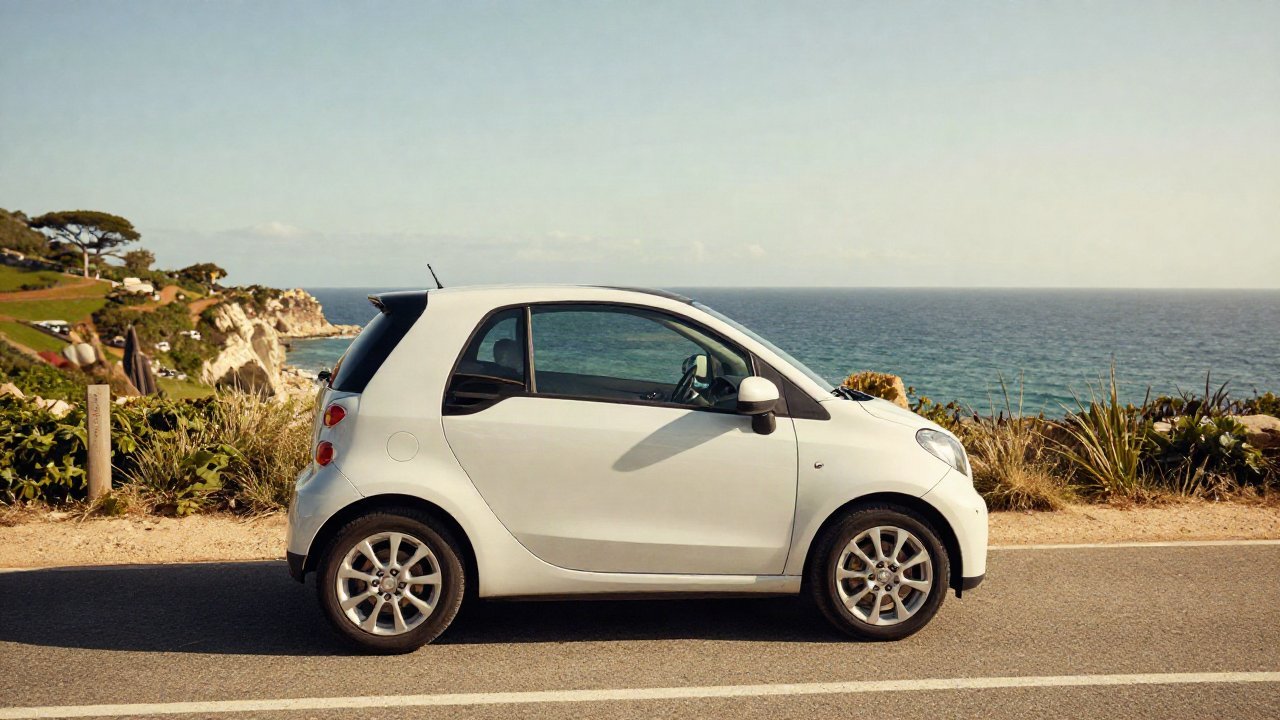
A rental car can turn a good trip into a great one: you can reach the beach the tour buses skip, stay in a cheaper guesthouse outside town, and set your own schedule. It can also quietly become the most expensive line in your travel budget once fees, insurance and fuel are added at the counter. Most of those extra costs are avoidable. Here is how to rent a car for less, at home or abroad.
Book Early, Then Keep Checking
Rental rates move up and down with demand, just like airfares. The best approach is to reserve a refundable “pay at pickup” rate as soon as your dates are firm, then check prices again a few weeks before the trip and a few days before pickup. If the rate drops, book the cheaper one and cancel the original. Because there is usually no penalty for cancelling a pay-later booking, you lock in a price without giving up the chance at a better one.
Skip the Airport Counter When You Can
Airport locations are convenient, but they often add airport concession fees and facility charges to the base rate. A branch in town, even one a short taxi, train or shuttle ride away, can be noticeably cheaper, especially on longer rentals. Compare both before you book. If you only need a car for part of your trip, consider picking it up the morning you leave the city rather than paying for days it sits in a garage.
Planning your stay at the same time? Look for hotels near a rental branch or with free parking using our hotel search, and read our guide on how to find cheap hotels.
Choose the Smallest Car That Works
Economy and compact cars cost less to rent and use less fuel. In much of Europe and Asia they are also far easier to drive on narrow streets and to park. Be realistic about luggage, though: two people with carry-ons fit easily in a compact, but a family with large suitcases may not. A few other choices that affect price:
- Transmission: outside North America, manual cars are often the cheapest option. Automatics can cost more and sell out first, so book early if you need one.
- Extra drivers: many companies charge per day for each additional driver, though some waive it for spouses or partners or through membership programs. Check the terms before adding someone.
- Young and senior drivers: age surcharges are common for drivers under 25 and sometimes over 70. Compare companies, because the rules vary a lot.
Understand Insurance Before You Reach the Counter
Insurance is where many travelers overspend. Before your trip, find out what you already have:
- Your own auto policy may extend to rentals in your home country. Call your insurer and ask exactly what is covered.
- Your credit card may include rental car damage coverage if you pay with that card and decline the rental company’s collision waiver. Some cards offer primary coverage and others secondary, and many exclude certain countries or vehicle types. Read your card’s benefit guide.
- Third-party rental insurance bought separately is often cheaper than the counter product, though you may need to pay for damage first and claim it back later.
Some countries require local liability coverage that you cannot decline, so read the rental terms for your destination carefully. Once you know what you have, you can politely say no to duplicate coverage at the desk.
Avoid the Classic Add-On Fees
- Fuel: choose a “full to full” policy and refill at a station near the drop-off point. Prepaid fuel only makes sense if you are sure you will return the tank nearly empty.
- GPS: use your phone with offline maps downloaded instead of renting a unit.
- Child seats: daily seat fees add up fast. Many airlines let you check a car seat at no charge; check your airline’s policy.
- Tolls: rental toll transponders often come with a daily service fee. Find out whether you can pay tolls online or in cash, or avoid toll roads with your map app.
- One-way and cross-border fees: dropping the car in another city or country can be costly. Ask before you plan a route around it.
Driving Abroad: Paperwork to Sort Out First
Many countries ask foreign drivers to carry an International Driving Permit (IDP) along with their regular license, and rental desks may ask to see one. For U.S. travelers, the only two organizations authorized by the State Department to issue IDPs are AAA and the American Automobile Touring Alliance (AATA). An IDP is valid for one year, and you must carry it together with your U.S. license. Be wary of other websites that claim to sell “international driver’s licenses.” Check your destination’s current rules before you go, since requirements differ by country.
Protect Yourself at Pickup and Drop-Off
Before driving away, walk around the car and take time-stamped photos or a short video of every panel, the wheels, the windshield, the fuel gauge and the odometer. Make sure any existing damage is noted on the rental agreement. Do the same at drop-off, especially if you return the car after hours. These few minutes are your best defense against surprise damage charges weeks later.
Plan the Parking Too
A cheap rental can lose its value if you pay premium rates to park it every night. Look up parking near your hotel and the sights you plan to visit, and if you are driving to the airport at home, compare long-term lots ahead of time with our car parking search. It also helps to check the weather forecast before a road trip, especially in mountain or coastal areas.
Pair these tips with a well-timed flight using our guide to booking cheap flights or a search on our flight finder, and your road trip budget will stretch a lot further.
Prices, schedules and availability change often and come from third-party providers, so confirm details before you book. Some links on this site are affiliate links; see our affiliate disclosure.