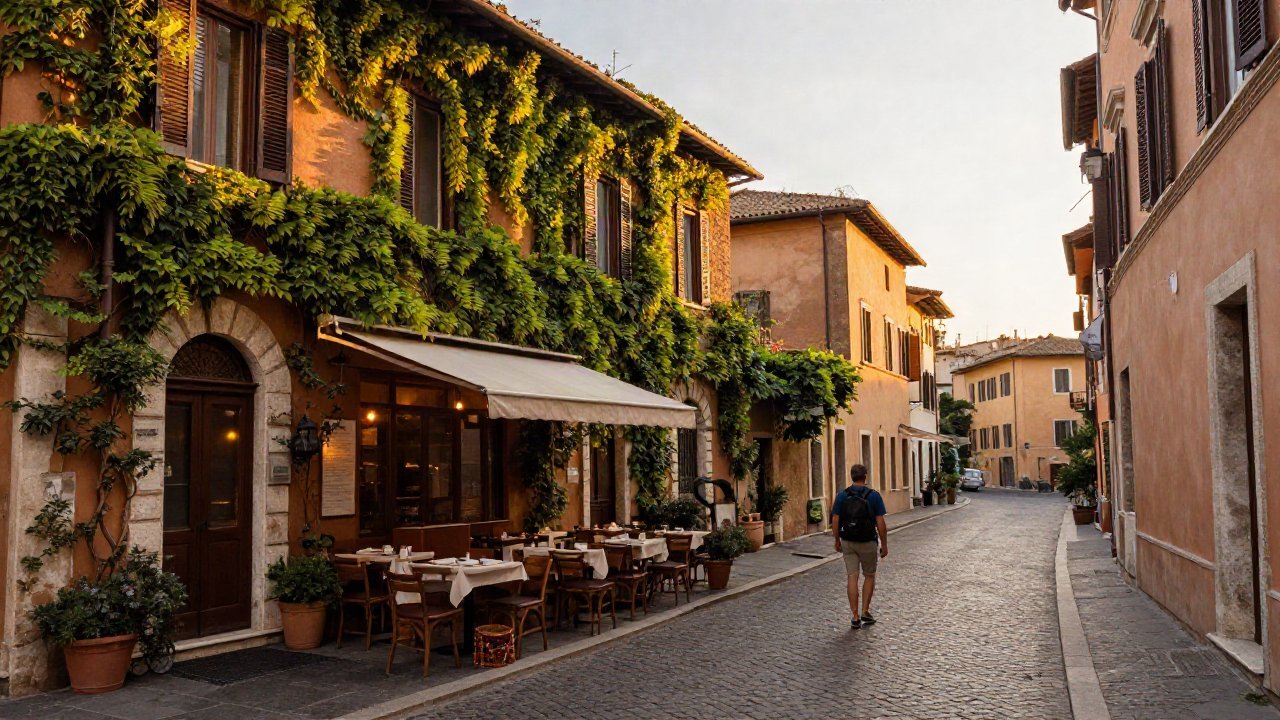
Rome has a reputation for being expensive, but some of its best experiences cost nothing at all. Ancient ruins line ordinary streets, world-class art hangs in neighborhood churches, and a plate of pasta at a local trattoria often beats a tourist-menu meal at twice the price. With a little planning, you can see the Eternal City without draining your travel fund. Here is how to do Rome on a budget.
When to Go
Summer brings heat, crowds and peak hotel rates. For better value, aim for spring (March to May) or autumn (late September to November), when the weather is comfortable and rooms are easier to find. Winter is the quietest and often the cheapest time, with mild days and shorter lines at the big sights. Our shoulder season travel guide explains why traveling just outside the busy months saves so much, and you can check typical conditions on the Rome weather page before you pick dates.
Where to Stay for Less
Staying right next to the Pantheon or Spanish Steps is lovely but pricey. These areas offer better value while keeping you close to the action:
- Monti: A short walk from the Colosseum, full of small cafés and wine bars.
- Trastevere: Lively and charming, with countless affordable places to eat. Expect some evening noise.
- Esquilino (near Termini station): Often the cheapest central option and perfect if you arrive by train or airport shuttle.
- Prati: Calm, residential and close to the Vatican, with good metro access.
Compare guesthouses, B&Bs and small hotels side by side on our hotel search, and see our tips on how to find cheap hotels. Note that Rome charges a city tourist tax per person per night, usually paid at your accommodation, so factor it into your budget.
Free and Low-Cost Sightseeing
Many of Rome’s most memorable sights are free to visit any day:
- Piazzas and fountains: Piazza Navona, Campo de’ Fiori and the Spanish Steps cost nothing to enjoy.
- Churches: Santa Maria Maggiore, San Luigi dei Francesi (home to Caravaggio paintings) and Santa Maria in Trastevere are generally free to enter. Dress modestly, with shoulders and knees covered.
- Viewpoints: The Gianicolo hill and the Orange Garden on the Aventine offer sweeping city views, and the famous Aventine keyhole is just around the corner.
- Parks: Villa Borghese and Villa Doria Pamphilj are great for a picnic break.
Use Free Museum Sundays Wisely
Italy’s state museums and archaeological sites offer free admission on the first Sunday of each month. In Rome this includes big names like the Colosseum and Roman Forum/Palatine area, Castel Sant’Angelo, the Pantheon, the Baths of Caracalla and the National Roman Museum sites, plus Villa d’Este and Hadrian’s Villa in nearby Tivoli. Some sites, such as the Borghese Gallery, require a reservation even on free days, and Colosseum free-day tickets are handled through the Ministry of Culture system rather than booked far ahead. Expect crowds, arrive early, and confirm the current list before you go.
The Vatican Museums have historically offered free entry on the last Sunday of most months, but lines are very long and the schedule can change, so check the official Vatican Museums website before planning around it.
A Note on the Trevi Fountain
Since February 2026, non-residents pay a small fee to enter the area right next to the Trevi Fountain basin during daytime and evening hours. Children under five, Rome residents and visitors with disabilities (plus a companion) are exempt. If you want to toss a coin without the crowds, go early or late and check the official hours first.
Eat Like a Local
Food is where Rome rewards budget travelers most:
- Pizza al taglio: Pizza by the slice, sold by weight, makes a filling and cheap lunch.
- Supplì: Fried rice balls stuffed with mozzarella, a classic Roman street snack.
- Coffee at the bar: Drinking your espresso standing at the counter is usually cheaper than table service.
- Walk away from the landmarks: Restaurants with picture menus and staff calling you in are rarely good value. Two or three streets away, prices drop and quality rises.
- Fill your bottle: Rome’s public drinking fountains, called nasoni, provide cold, free water all over the city.
Getting Around Cheaply
Central Rome is very walkable, and walking is the best way to stumble onto hidden courtyards and ruins. For longer trips, the metro, buses and trams share a single ticket system, and multi-day passes can pay off if you plan several rides a day. Contactless bank cards are accepted at metro gates and on many buses. Skip renting a car in the city: traffic is heavy and limited traffic zones (ZTL) can bring fines. If you are driving in for a day trip from elsewhere in Italy, look at parking options outside the center and take transit in.
Booking Your Trip
Flights into Rome Fiumicino and Ciampino vary widely by season and airline, so compare dates on our flight search. Traveling with only a carry-on helps you avoid bag fees on budget airlines; pack light and smart, and comfortable shoes are a must for Rome’s cobblestones. For more ideas, browse our destinations page.
Rome doesn’t have to be a splurge. Pick the right season, stay in a local neighborhood, lean on free sights and eat where Romans eat, and you’ll leave with great memories and money to spare for your next trip.
Prices, schedules and availability change often and come from third-party providers, so confirm details before you book. Some links on this site are affiliate links; see our affiliate disclosure.